Tech Talk Load Banks & Neutral Grounding Resistors: What They Are and Why They Matter in Power Systems
Load Banks & Neutral Grounding Resistors: What They Are and Why They Matter in Power Systems In industrial and electrical power systems, safety and performance depend heavily on components that can handle high energy, manage fault currents, and simulate real loads. Two essential technologies in these areas are load banks and neutral grounding resistors (NGRs).
Whether you’re testing generators, stabilizing distribution networks, or protecting electrical assets, understanding how these resistive solutions work — and how to choose the right models — is critical.
In this post, we’ll cover:
What Is a Load Bank? What Is a Neutral Grounding Resistor? RARA Neutral Grounding Resistors How Load Banks & NGRs Work Together Real World Use Cases Tips for Choosing the Right Resistors ________________________________________
What Is a Load Bank?
A load bank is a device used to apply a controlled electrical load to a power source — such as a generator, UPS, or battery — to test performance, endurance, and stability. Instead of relying on unpredictable connected equipment for a load, load banks use resistors sized and configured to draw a specific amount of power. This ensures:
Predictable load conditions Safe and repeatable tests Detection of issues before actual field use Industrial load banks are designed for high power levels — from tens of kilowatts up to multiple megawatts in large installations.
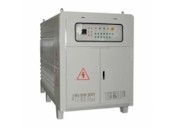
Model: RLB Resistor type: High power Description: Load banks Power Rating: 50KW~3000KW Resistance (Ω): 0.1~1M Tolerance (%): ±5, ±10 TCR (ppm/C): 800 (max.)
One of the key product families from RARA Electronics is the RLB load bank series:
Power Ratings: 50 kW to 3000 kW Resistance Range: 0.1 Ω to 1 MΩ Tolerance: ±5 %, ±10 %
Designed for large industrial systems and generator load testing environments
These load banks are used in:
Generator commissioning UPS and power supply testing Industrial and utility load simulation R&D labs and manufacturing test benches Key SEO terms to include throughout your post: load bank resistance, load bank testing solutions, high power load bank, resistive load bank design ________________________________________
What Is a Neutral Grounding Resistor?
While a load bank helps test a power source under load, a neutral grounding resistor (NGR) protects the power distribution system by controlling ground fault currents. In three phase systems, the neutral point of transformers or generators can experience high fault currents if a line to ground short occurs. An NGR is connected between the neutral point and earth ground to:
Reduce fault current to safe, controlled levels Prevent equipment damage Improve relay protection sensitivity Avoid transient overvoltages Proper NGR design prevents high ground fault currents that can otherwise reach tens of thousands of amps and cause serious electrical damage. ________________________________________
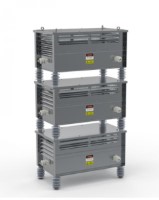
Model: NGR Resistor type: High Power Description: Neutral Grounding Power Rating: 440/√3V, 3.3/√3kV, 3.45/√3kV Tolerance (%): ±10 TCR (ppm/C): 800 (max.)
A major product category from RARA Electronics is their neutral grounding resistors (often labeled simply as NGR):
Designed for industrial power distribution Limits ground fault current safely Reduces stress on transformers, motors, and protection systems Durable enclosures and high reliability resistor elements These resistors are often custom designed to fit the voltage and current specifications of your system, ensuring both protection and compliance with safety standards.
Example uses include:
Power plants Substation distribution networks Industrial electrical rooms Commercial buildings with sensitive electronics NGRs are essential for operational safety, and proper specification prevents both electrical and financial loss in critical infrastructure. ________________________________________
How Load Banks & NGRs Work Together
In many electrical installations — especially those with backup power systems — load banks and neutral grounding resistors complement one another:
Load Bank Functions Validate power supply capacity Simulate peak loads during commissioning Detect system weaknesses before they cause downtime NGR Functions Limit and control ground fault currents Protect equipment from high fault stress Improve relay and breaker response
Together, they support both performance verification and ongoing safety in complex electrical networks. ________________________________________
Real World Use Cases
Generator Reliability Testing Load banks simulate full operating loads without risking real equipment. This helps identify generator issues before a system goes live. Power Distribution Safety NGRs ensure that if a ground fault occurs in a substation or industrial facility, the current is limited — helping protect expensive assets and preventing extensive downtime. Manufacturing & R&D Both load banks and neutral grounding resistors are used in labs and development environments to test components under extreme conditions. ________________________________________
Tips for Choosing the Right Resistors
When selecting load banks or NGR solutions, consider:
Required power capacity Expected resistance and tolerance Environmental and installation conditions Safety and compliance standards For customized solutions at specific voltage or current ratings, manufacturers like RARA Electronics can engineer and deliver tailored components that meet your system’s needs.