Tech Talk Resistive Heaters Explained: How They Work + Product Examples from RARA Electronics
Resistive heaters are essential components in many industrial, commercial, and consumer heating applications. Whether you’re warming a space, heat treating materials, or adding precise thermal control to a process, resistive heating elements convert electrical energy into heat with efficiency and reliability.
In this post, we’ll cover:
What resistive heaters are How they work Key specifications and benefits RARA Electronics heater models Typical industrial applications SEO friendly summary to help this guide rank ________________________________________
What Is a Resistive Heater?
A resistive heater is a device that produces heat by converting electrical energy into thermal energy through a resistive element. When electric current flows through a material with resistance, it generates heat — a phenomenon known as Joule heating. In everyday terms, resistive heaters are the “heating elements” inside devices like space heaters, industrial hot plates, and drying ovens. ________________________________________
How Resistive Heating Works
At the core of every resistive heater is a resistance element — typically a metal or alloy designed to generate heat when current flows through it. Because the heating mechanism depends on electrical resistance, these heaters:
Provide consistent heat output Are simple and reliable Can be tailored for different power levels This makes them ideal for industrial environments where controlled heat is necessary. ________________________________________
Key Specifications to Know When Evaluating Resistive Heaters:
Power Rating Measured in watts (W), this tells you how much heat the heater can produce. Typical ratings vary from a few watts for specialized heaters up to hundreds of watts for industrial parts. Resistance and Voltage Resistive heaters are selected based on the resistance needed to produce a specific heat output at a given supply voltage. Operating Environment Industrial heaters should be rugged, corrosion resistant, and capable of handling repeated temperature cycles. ________________________________________
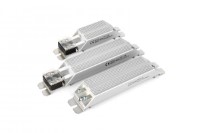
Model: RSHT, RSH Resistor type: Heater Description: Metal clad space heater Power Rating: 50W~500W Supply Voltage (V): 110-240 Tolerance (%): ±10 TCR (ppm/C): 260
RARA Electronics LLC manufactures a range of resistive heaters engineered for performance and durability. These are ideal solutions when you need heat generated directly and efficiently through resistive elements.
RSHT / RSH Series – Space & Industrial Heaters The RSHT and RSH series are resistive heaters designed to deliver reliable heat for space heating or equipment warming. These models vary by power and resistance range and are typically used in:
Industrial cabinets or enclosures Equipment housing needing frost protection Localized heating applications where direct resistive heat is effective
Examples of models include: RSHT50 – ~50 W heater with resistance optimized for 220–240 V supply RSHT200 – Higher power ~200 W heater suitable for larger enclosures RSH300, RSH400, RSH500 – Even higher power models with correspondingly lower resistance values for more heat production
These heaters are designed with a robust build and specified resistance ranges so engineers can select the right model for their application. ________________________________________
Industrial Uses for Resistive Heaters
Resistive heaters are used in many sectors:
Equipment Climate Control In industrial cabinets or unheated spaces, resistive heaters help keep electronic components within safe operating temperatures. Drying and Curing Processes Manufacturers often use resistive heating in processes where precise, controlled heat speeds up drying or curing without damaging materials. Space Heating Solutions In shop floors, greenhouses, or temporary workspaces, resistive heaters offer direct heat output without complicated controls. Lab & Test Environments Resistive heaters are useful in controlled environments where temperature must be uniform and predictable. ________________________________________
Benefits of Resistive Heating
Here are key advantages that make resistive heaters a go to solution:
Simple operation — no moving parts or complex controls Efficient heat conversion — most electrical energy becomes heat Wide range of power options — from tens to hundreds of watts Customizable for different environments These traits make resistive heaters versatile for both industrial and commercial use.